Magnetism is a fundamental force of nature that causes certain materials to attract or repel one another without physical contact.
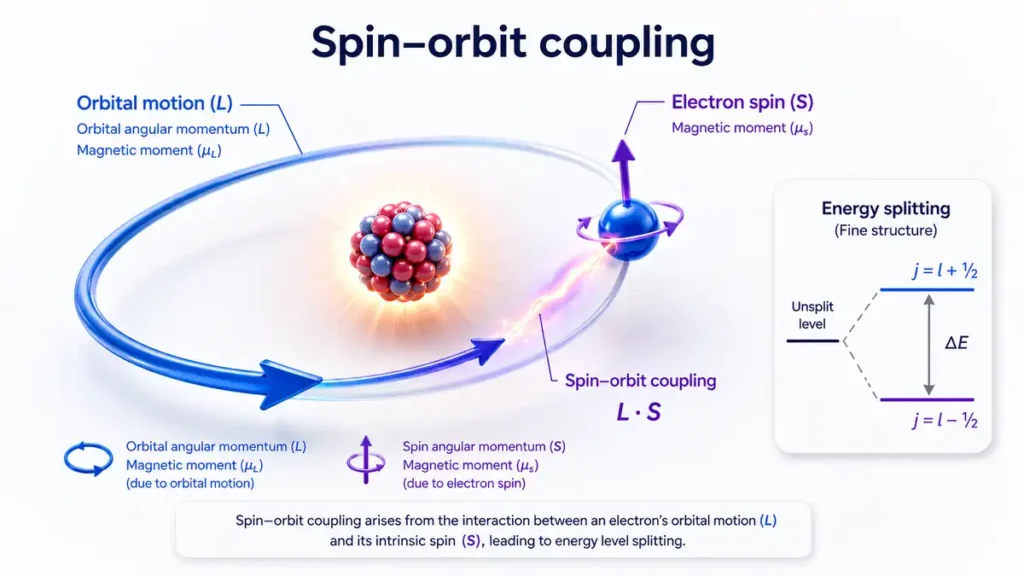
It is studied within classical electromagnetism and, at deeper levels, connects to quantum mechanics and condensed matter physics. Magnetism arises from the motion of electrons inside atoms — their orbital movement and spin create tiny magnetic fields that, in certain materials, align to produce observable magnetic behavior.
Magnetism is not just a classroom concept — it powers much of the technology we use every day:
Electric motors and generators in appliances and electric vehicles
MRI machines that produce detailed images of the human body
Hard drives and magnetic memory that store digital data
Speakers and headphones that convert electrical signals into sound
Spintronics devices that use electron spin for next-generation computing
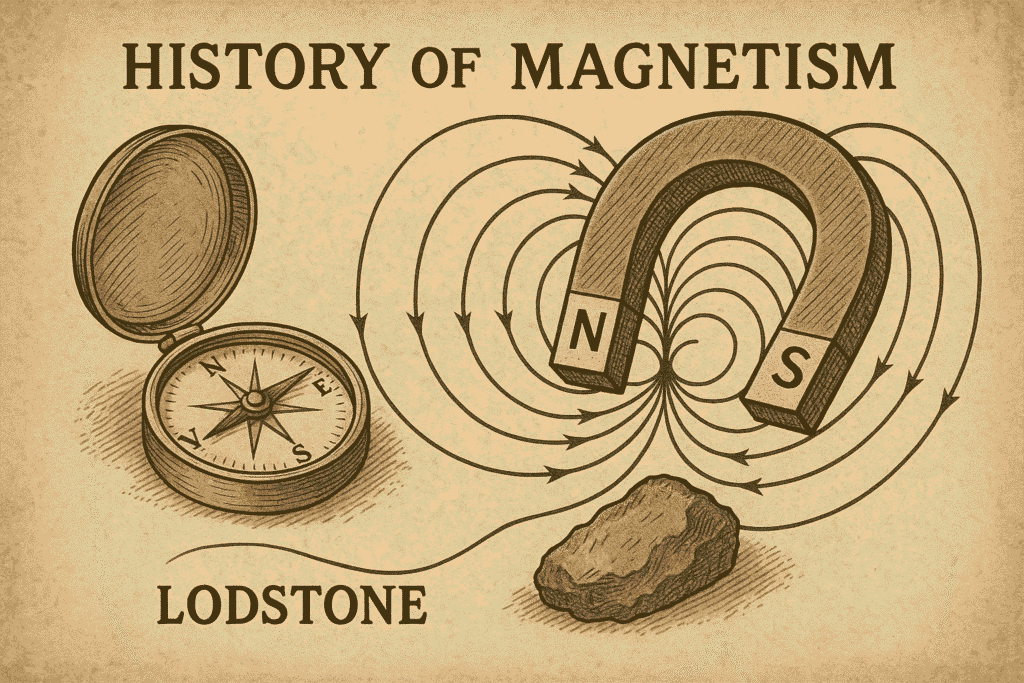
Compass navigation based on Earth’s own magnetic field
The study of magnetism encompasses the types of magnetic materials — diamagnetic, paramagnetic, ferromagnetic, ferrimagnetic, and antiferromagnetic — as well as magnetic fields, forces, temperature dependence, and the quantum interactions that govern magnetic behavior at the atomic level.
These notes are written to build your understanding step by step, from basic magnetic concepts to advanced material behavior. Enjoy Reading !!!