Materials science is the branch of science that studies the structure, properties, and behavior of materials, and how those properties can be engineered for practical use.
Generally, it is an interdisciplinary field drawing from condensed matter physics, chemistry, and engineering. Within physics, it is most closely related to solid-state physics and quantum mechanics, because the properties of any material ultimately arise from the behavior of its atoms and electrons at the quantum level. The central principle is simple but profound — structure determines properties. The color of the same material changes as its size increases, and this has been studied and observed in quantum dots, one of the most fascinating systems in materials science.
Materials science powers the technology that defines modern life:
Semiconductors and electronics — silicon chips, transistors, and solar cells
Spintronics — using electron spin to build faster and more efficient memory devices
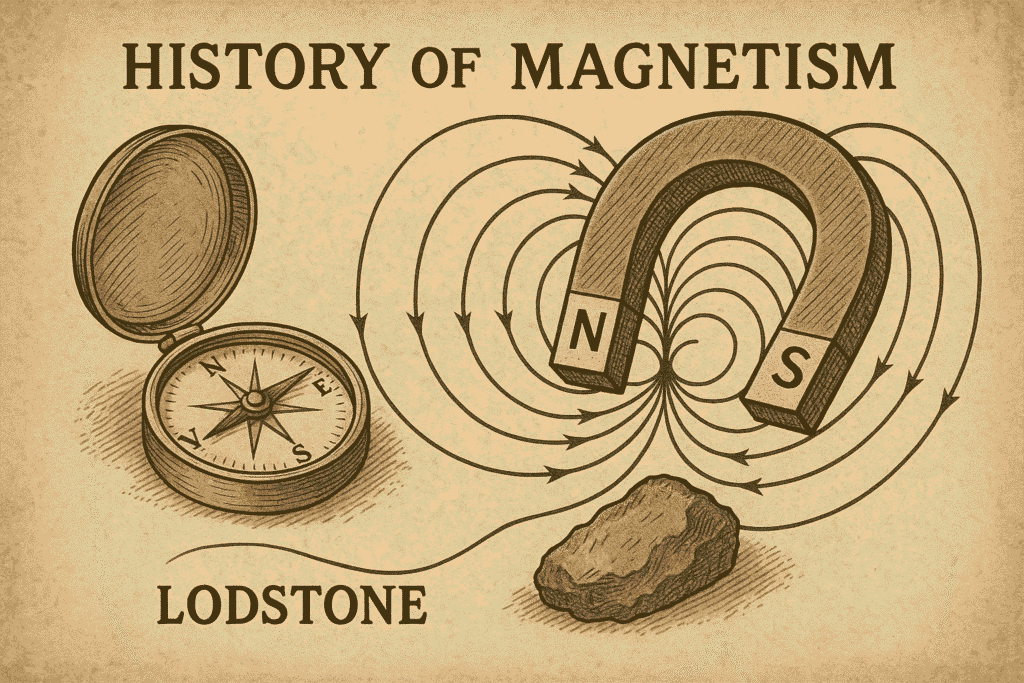
Magnetic storage — hard drives and magnetic memory for digital data
Superconductors — zero-resistance conductors used in MRI machines and particle accelerators
Biomaterials — implants and devices engineered for use inside the human body
Nanotechnology — engineering materials at the atomic scale to create entirely new properties
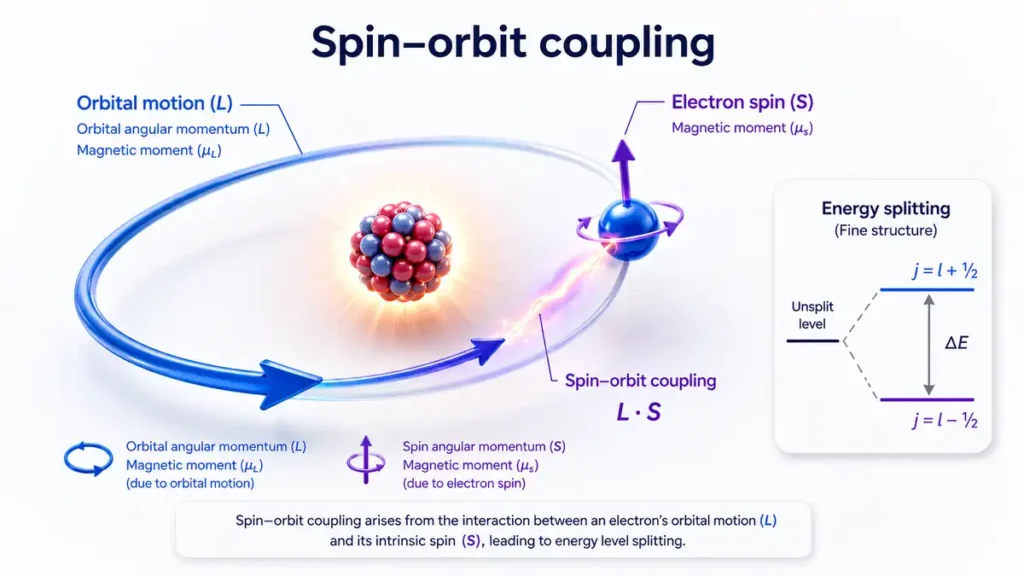
In this category, you will explore different types of materials, their crystal structures, electronic band structure, spin-orbit coupling, phase transitions, and the quantum foundations that explain why materials behave as they do.
These notes connect abstract quantum physics to real materials and real technology — clearly and systematically. Enjoy Reading !!!